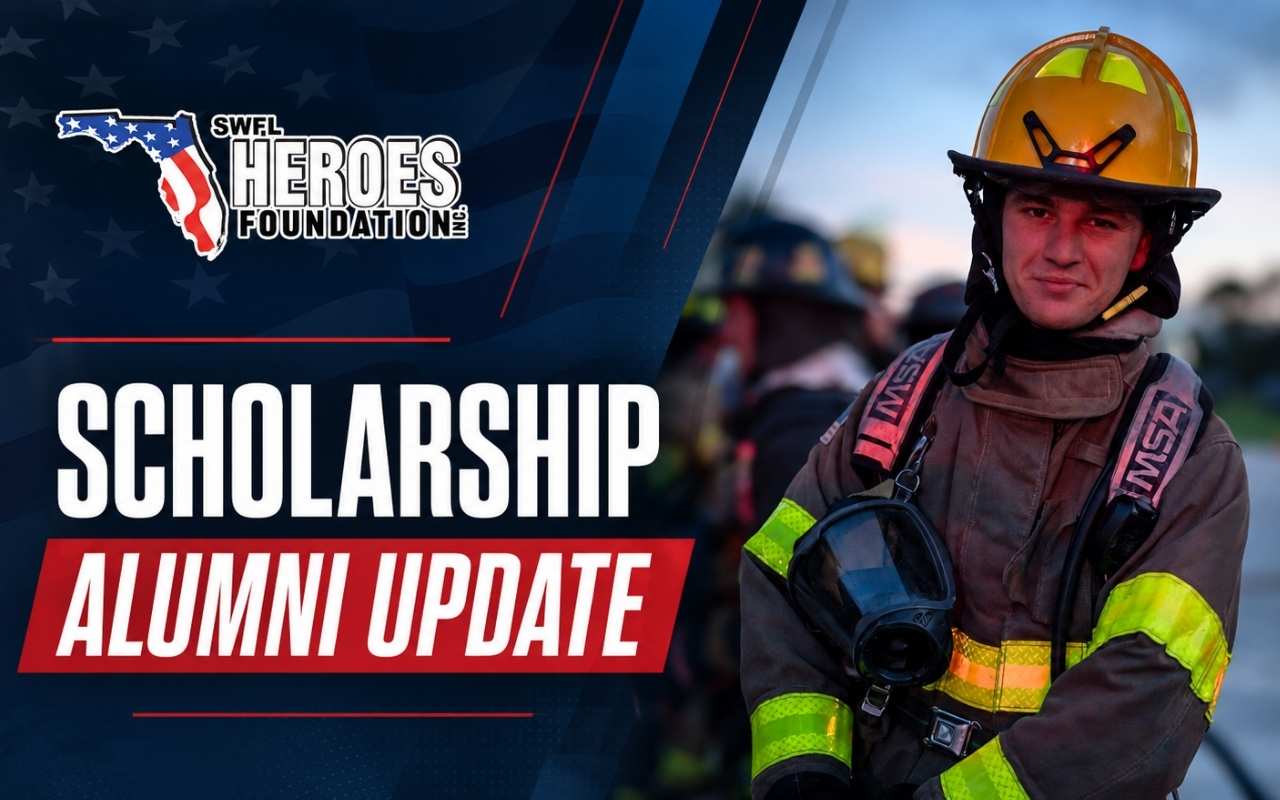

What Does It Cost to Become a Firefighter in Florida?
Becoming a firefighter in Florida takes more than courage and a willingness to serve. It also takes training, certification, time, equipment, and money. For many future first responders, the financial side of the process can become one of the biggest obstacles between wanting to serve and actually reaching graduation day.
The exact cost to become a firefighter in Florida depends on the school, the program, the county, residency status, required equipment, and whether the student is also completing EMT training. Some students attend a public college or technical center. Others attend a fire academy connected to a public safety institute. Costs can vary, but most students should expect more than just a tuition bill.
In Florida, a person must complete the required firefighter training and meet state certification requirements before being employed as a firefighter. The Florida Bureau of Fire Standards and Training describes the Firefighter Minimum Standards Course as the required path for Firefighter II certification, which is needed for employment as a firefighter in the state. The course includes Firefighter Part I and Firefighter Part II training. The state lists Part I as a minimum of 206 hours and Part II as an additional 192 hours, though many Florida programs list the full academy at about 492 clock hours depending on how the curriculum is structured.
That means students are not only paying for classes. They are also committing months of time to physically and mentally demanding training.
Becoming a firefighter in florida · Fire Academy Tuition and Program Fees
The first major cost is tuition or program registration. This amount changes by school.
For example, Eastern Florida State College lists separate tuition costs for Firefighter I and Firefighter II, along with lab fees, textbooks, uniforms, application fees, insurance, and fingerprinting. Valencia College lists estimated costs for Fire Fighter I and Fire Fighter II Minimum Standards courses, plus materials and turnout gear rental. St. Petersburg College lists its in-state Fire Academy Only program at nearly $4,000, while some technical colleges and fire academies list different totals depending on residency and supplies.
Because every program publishes its own estimate, there is not one single statewide price. A realistic range for many Florida students may be a few thousand dollars once tuition, fees, materials, and required supplies are included. Some programs may cost less, while others cost more, especially when out-of-state tuition, additional certifications, or equipment requirements are included.
This is one reason students need to look beyond the headline tuition number. A program that appears affordable at first may still require hundreds or even thousands of dollars in additional expenses.
Becoming a firefighter in florida · Books, Uniforms, Gear, Testing, and Supplies
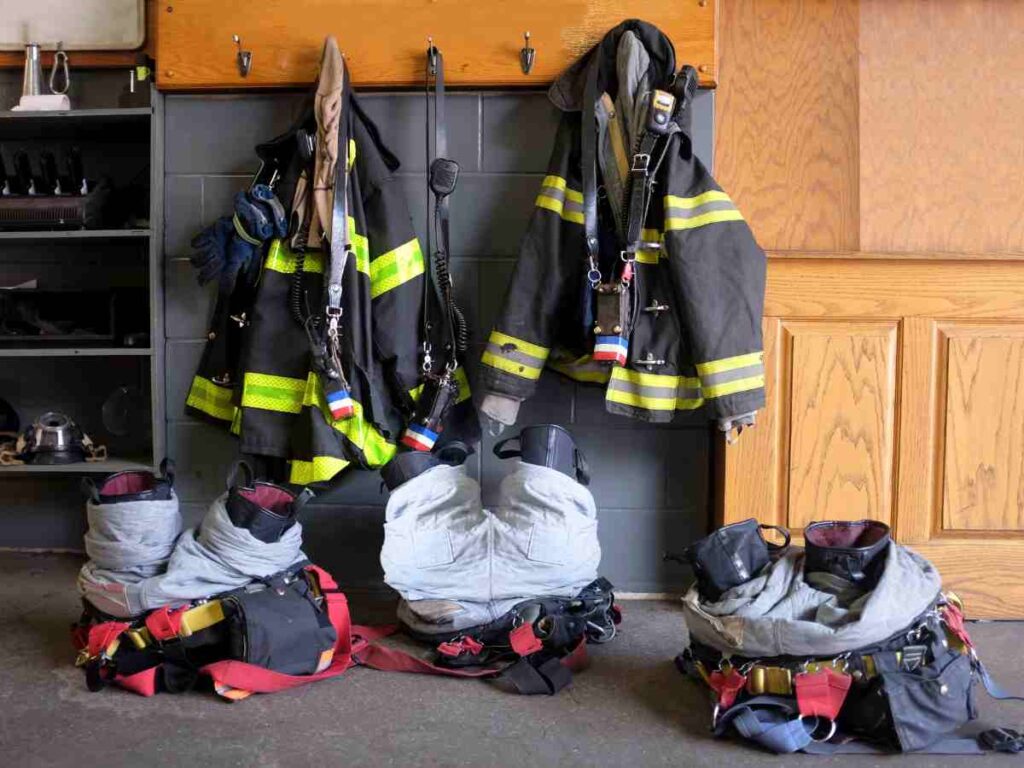
Fire academy students often have costs that go beyond classroom instruction. Depending on the program, students may need to pay for books, uniforms, physical training clothing, boots, gloves, protective gear, insurance, background checks, drug screening, fingerprinting, medical clearance, testing fees, and certification-related expenses.
Some schools include certain items in the program estimate. Others require students to purchase items separately. Some programs rent turnout gear, while others may require students to provide or obtain specific equipment.
These costs matter because they often arrive before the student is working in the field. A student may be trying to pay for training while also covering regular life expenses such as rent, transportation, gas, food, childcare, and lost income from reduced work hours.
For a student who is already stretching to make training possible, a few hundred dollars in unexpected costs can become a serious barrier.
The Hidden Cost: Time Away From Work
One of the most overlooked costs of becoming a firefighter is time.
Fire academy training can be intense. Students may spend months attending classes, completing physical training, learning emergency procedures, practicing hands-on skills, and preparing for written and practical exams. Some programs run during the day. Others offer evening or extended schedules. Either way, the commitment can affect a student’s ability to work full-time.
That lost income or reduced work schedule is not always listed on a school’s cost sheet, but it is very real.
For some future first responders, the hardest part is not deciding whether they want to serve. It is figuring out how to survive financially while they complete the training required to serve.
This is where community support can make a meaningful difference.
Why Scholarships Matter for Future First Responders
Scholarships help reduce the financial pressure on students who are working toward public service careers. They can help cover tuition, program fees, books, uniforms, supplies, or other training-related costs. Just as importantly, they tell students that their community sees their effort and believes in their future.
For the SWFL Heroes Foundation, scholarships are not just about paying a bill. They are about investing in people who are preparing to step into roles that protect and strengthen the community.
Future firefighters are training for moments most people hope they never experience: structure fires, vehicle crashes, medical emergencies, storm response, rescues, and calls for help on the hardest days of someone’s life. The work requires courage, discipline, teamwork, and a willingness to show up when others are in danger.
When a scholarship helps a student complete training, it does more than help that one student. It helps the community gain another trained first responder.
The Cost Is Financial, But the Calling Is Bigger
The cost to become a firefighter in Florida can vary widely, but the commitment is always significant. Students must meet state requirements, complete demanding training, pay for required expenses, and stay focused through a challenging process.
For some, the cost can feel overwhelming. For others, it may delay the dream altogether.
That is why scholarships and community support are so important. They help remove barriers for qualified, committed students who are willing to do the work and answer the call.
Every scholarship recipient represents a future first responder with the potential to serve families, neighborhoods, and communities across Southwest Florida. Supporting these students is one way to honor the heroes who have served before them while helping prepare the next generation to carry that mission forward.
The SWFL Heroes Foundation is proud to support future first responders as they pursue the education, training, and certification needed to serve. When the community gives, students are able to move forward. When students move forward, the entire community is strengthened.
For anyone considering fire academy, the best first step is to review local program requirements, ask for a full cost breakdown, and understand all expenses before enrolling. Tuition is only part of the picture. The real investment includes time, training, sacrifice, and the support needed to make it to graduation day.
Join the mission through your gift of any amount.
We value the next generation of leaders by providing scholarships and educational support to our future community heroes.
Let’s do this together! Your gift of any amount is appreciated.