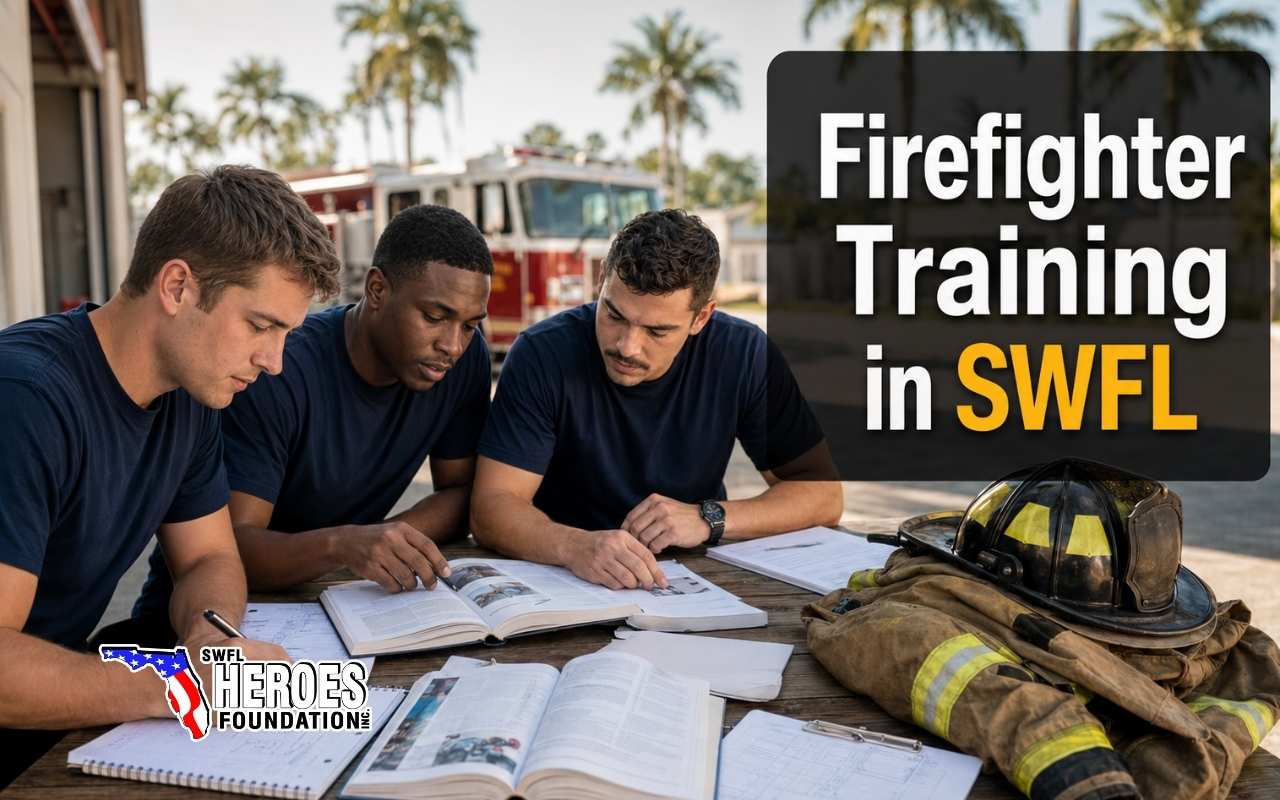
The firefighter uniform is built for performance in environments that are unpredictable, high-risk, and constantly changing. It supports movement, protects against heat and exposure, and allows firefighters to operate effectively under pressure. Every material, seam, and layer serves a purpose, and the system only works when all of those pieces come together as intended.
Understanding how a firefighter uniform is designed gives a clearer picture of what firefighters rely on every time they step into a scene.
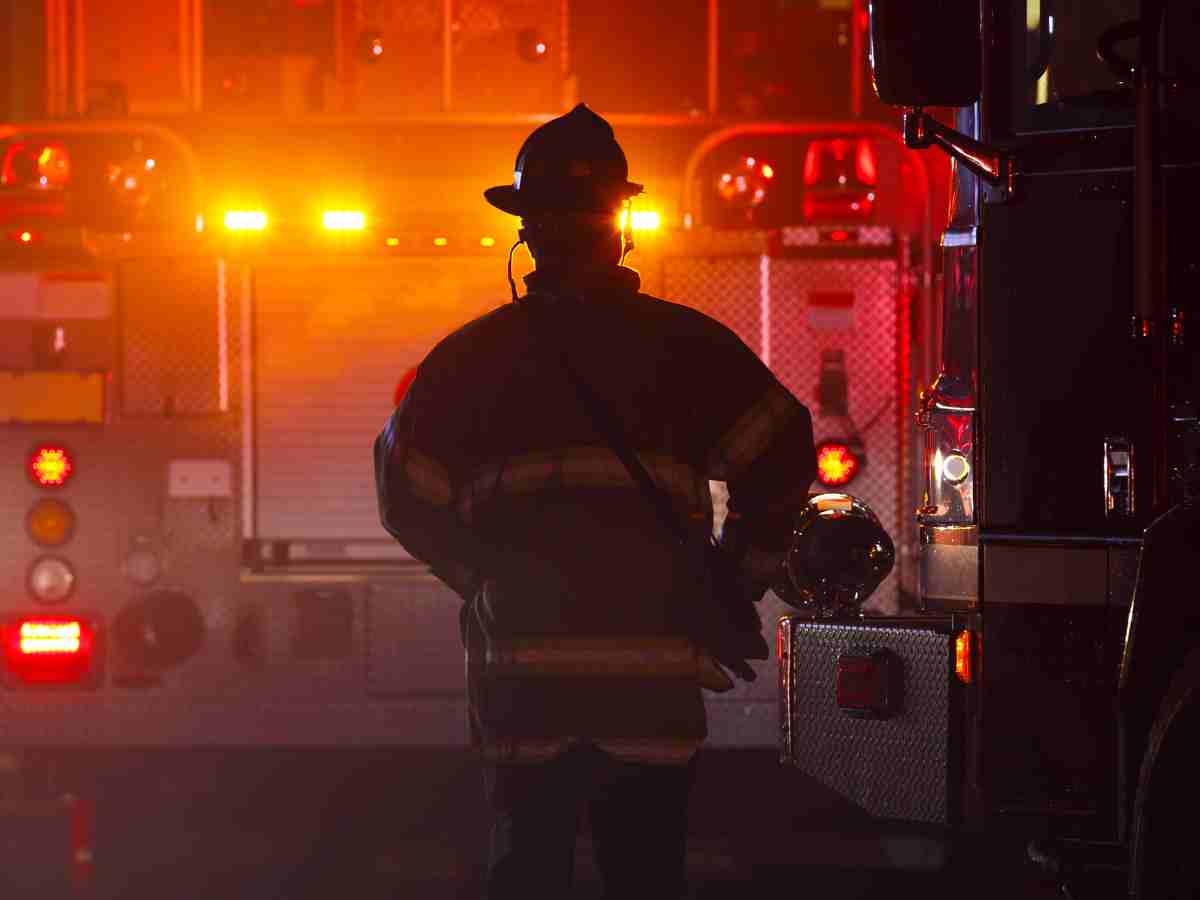
What a Firefighter Uniform Is Actually Called
In the fire service, a firefighter uniform used during active operations is commonly referred to as turnout gear or bunker gear.
These terms describe the full protective system worn when entering a fire or hazardous environment.
The language matters because a firefighter uniform represents more than standard workwear. It reflects a complete, layered system designed for protection, mobility, high heat, steam and moisture, and durability under extreme conditions.
What a Firefighter Uniform Is Built to Handle
A firefighter uniform is designed with specific real-world conditions in mind. Heat, flame, debris, and limited visibility all come into play, often at the same time.
The materials and construction are selected to manage:
- High heat exposure over sustained periods
- Direct contact with flames
- Steam and moisture that can carry heat through fabric
- Falling or shifting debris
- Smoke and airborne contaminants
Each part of a firefighter uniform supports these conditions in a different way, working together as a unified system rather than isolated pieces.
The Core Components of a Firefighter Uniform
A firefighter uniform includes several key components, each designed with a specific role in mind:
- The helmet provides protection from impact, heat, and falling debris while maintaining visibility. Many include integrated shields or eye protection to support different conditions.
- The turnout coat forms a major part of the protective system. It incorporates multiple layers that resist flame exposure, help manage moisture, and reduce the rate at which heat transfers inward.
- The turnout pants mirror that same layered protection while allowing for movement in demanding physical situations. Reinforced areas support high-wear zones like knees and lower legs.
- The gloves are built to balance protection and control. Firefighters need to maintain grip and dexterity while handling tools, hoses, and equipment under pressure.
- The boots provide stability, impact protection, and insulation. They are designed to handle rough terrain, debris, and exposure from below.
The SCBA (Self-Contained Breathing Apparatus) supplies breathable air in environments where smoke and toxic gases are present. It allows firefighters to operate in conditions that would otherwise limit or prevent entry.
How a Firefighter Uniform Manages Heat and Exposure
A firefighter uniform uses a layered approach to manage heat rather than relying on a single barrier. Each layer contributes to slowing the movement of heat and protecting against different forms of exposure.
The outer layer is built to handle direct contact. It resists flames and abrasion, taking on the initial impact of the environment. Beneath that, a moisture barrier works to keep water, chemicals, and steam from reaching the skin—an important factor when heat and moisture combine.
The inner layer focuses on thermal management. It slows the transfer of heat, helping to create a buffer between the external environment and the body.
These layers function together, allowing a firefighter uniform to support longer operation times and more controlled exposure in active conditions.
Why Fit and Maintenance Directly Affect Performance
The effectiveness of a firefighter uniform depends heavily on how it fits and how it is maintained.
A properly fitted firefighter uniform allows for full movement—reaching, climbing, kneeling, and operating tools without restriction. Fit also affects how well the layers stay positioned during use, which directly impacts protection.
Maintenance plays an equally important role. Over time, exposure to heat, debris, and repeated use can affect seams, materials, and overall performance. Regular inspection ensures that the firefighter uniform continues to function as intended.
Attention to fit and condition helps maintain consistency in how the uniform performs in real situations.
Different Types of a Firefighter Uniform by Role
A firefighter uniform can vary depending on the type of work being performed. For structural firefighting, the uniform centers around full turnout gear with complete layered protection designed for high heat and enclosed environments.
Wildland firefighting requires a different approach, with lighter materials that support breathability and extended movement over terrain. Other variations include gear used for technical rescue or daily station wear, each designed to match the specific demands of the role.
A firefighter uniform represents a system built with purpose. Each component, each layer, and each design choice contributes to how firefighters are able to operate in demanding environments.
From heat management to mobility and protection, the firefighter uniform supports the work being done in the field. Understanding how it functions provides a clearer view of the preparation, equipment, and design that go into every response.
Join the mission through your gift of any amount.
We value the next generation of leaders by providing scholarships and educational support to our future community heroes.
Let’s do this together! Your gift of any amount is appreciated.