Florida EMT Program Facts
If you’re considering a career in emergency medical services, understanding Florida EMT program facts is the first step. EMT training in Florida is structured, regulated, and designed to prepare students for real-world emergency response roles in fire rescue, ambulance services, and medical support settings.
Below is a clear breakdown of how EMT programs work in Florida, what’s required to enroll, what you’ll learn, and what certification leads to after graduation.
How Florida EMT Programs Work
Emergency Medical Technician (EMT) programs in Florida are regulated under Chapter 64J of the Florida Administrative Code, which governs EMS education, certification, and scope of practice statewide.
To become a certified EMT in Florida, students must:
Complete a state-approved EMT training program
Successfully pass the National Registry of Emergency Medical Technicians (NREMT) exam
Meet all eligibility, background, and health requirements
Florida uses the NREMT as its recognized certification exam, which allows EMTs to meet both state and national standards.
Florida EMT Program Facts - Length and Schedule
Most Florida EMT programs are intensive and fast-paced, often completed in a few months depending on the format.
Typical program characteristics include:
- Program length ranging from 10 weeks to 6 month
- Daytime, evening, or hybrid schedules depending on the academy
Approximately 300 total training hours, including:
- Classroom instruction
- Skills labs
- Clinical or field internships
Some programs run on set weekday schedules, while others include rotating or “randomized” field internship days to simulate real EMS availability.
Minimum Requirements to Apply
While specific details vary by school, Florida EMT programs generally require applicants to meet the following minimum standards:
- Be at least 18 years old by the first day of class
- Be a legal resident of the United States
- Hold a standard high school diploma or GED
Some programs allow current high school students to apply with transcripts and recommendations - Pass a criminal background check
No felony convictions or crimes involving dishonesty - Complete a drug screening
- Meet health and immunization requirements
- Hold American Heart Association (AHA) Basic Life Support (BLS) certification
Many programs also require:
- Academic placement testing (such as CASAS)
- Minimum reading and math scores
Submission of sealed or official transcripts
What You Learn in a Florida EMT Program
Florida EMT programs focus on Basic Life Support (BLS) and prepare students to respond to medical and trauma emergencies.
Core training areas typically include:
Patient Assessment & Medical Care
Medical patient assessment
Trauma patient assessment
Airway management
Cardiac arrest response
Oxygen administration
Shock recognition and management
Trauma & Emergency Response
Bleeding control
Fractures, dislocations, and sprains
Burns and soft tissue injuries
Extrication and spinal motion restriction
Safe lifting and moving techniques
Medical Emergencies
Cardiovascular emergencies
Neurological emergencies
Diabetic emergencies
Toxicological emergencies
Infection and sepsis recognition
Environmental emergencies
Emergency childbirth and pregnancy complications
Professional Skills
Written, verbal, and non-verbal communication
Medical legal documentation
Patient care reporting
Team-based emergency response
Field and Clinical Experience
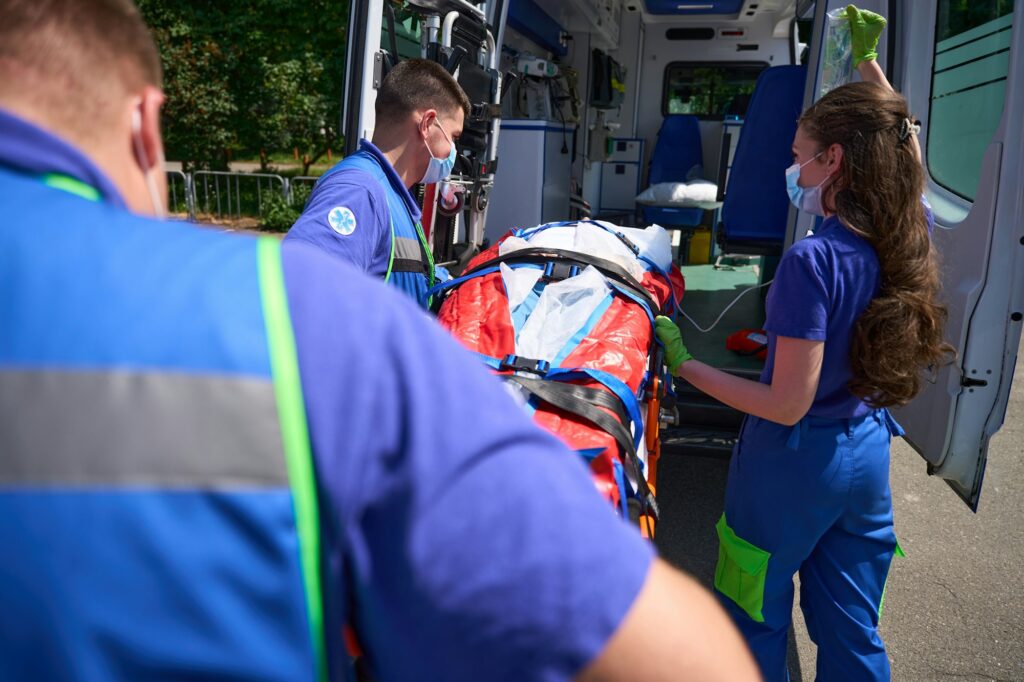
In addition to classroom learning, Florida EMT students must complete clinical and field internships. These shifts often include:
Ambulance ride-alongs
Emergency department observation
Supervised patient care scenarios
Internship schedules may vary and can include long shifts to reflect real EMS working conditions.
EMT Certification and Exams
Upon completing the program, students sit for the NREMT exam, which includes:
A cognitive (written) exam
A psychomotor (skills-based) exam
Successful completion allows graduates to apply for Florida EMT certification, enabling them to work legally as EMTs in the state.
Employment Opportunities After Certification
Florida EMT certification opens doors to multiple career paths, including:
Fire rescue departments
Private ambulance services
Hospital emergency departments
Event medical teams
Disaster and emergency response organizations
Many EMTs use this certification as a stepping stone toward:
Firefighter certification
Paramedic training
Nursing or other healthcare careers
Job Outlook for EMTs in Florida
According to workforce data, EMT and paramedic jobs in Florida are projected to grow, driven by:
Population growth
Tourism
An aging population
Increased demand for emergency and medical services
This makes EMT certification a practical entry point for those interested in long-term public safety or healthcare careers.
Is an EMT Program Right for You?
Florida EMT programs are demanding and require commitment, discipline, and resilience. Students should be prepared for:
Physically active training
High-pressure decision-making
Irregular schedules during internships
Strong accountability and professionalism
For individuals motivated by service, teamwork, and real-world impact, EMT training offers meaningful career preparation and hands-on experience.
Final Thoughts on Florida EMT Program Facts
Understanding Florida EMT program facts helps applicants prepare for what lies ahead — from eligibility and training to certification and employment. EMT programs in Florida are structured, regulated, and designed to develop competent emergency responders who are ready to serve their communities from day one.
If you’re serious about entering EMS, choosing a reputable Florida EMT program and preparing early for requirements can make all the difference.
Join the mission through your gift of any amount.
We value the next generation of leaders by providing scholarships and educational support to our future community heroes.
Let’s do this together! Your gift of any amount is appreciated.